Infarmight: A Solution for Global Food Security in a Changing World
Introduction: The Global Food Crisis and the Imperative for Innovation
The 21st century presents humanity with a paradox: a rapidly growing global population demanding more food, set against a backdrop of shrinking arable land, escalating climate volatility, and strained natural resources. Traditional agriculture, the bedrock of human civilization for millennia, is reaching its limits. Climate change manifests as unpredictable droughts, devastating floods, and shifting growing seasons, directly threatening global food security. By 2050, the world will need to feed nearly 10 billion people, requiring a monumental 70% increase in food production, all while minimizing environmental impact. This is not merely a logistical challenge; it is an existential imperative.
In this critical context, a new paradigm in food production is emerging, led by companies like Infarmight. Infarmight is not just a smart farm company; it is a visionary solution designed to decouple food production from the constraints of geography, climate, and traditional resource dependency. By harnessing the power of Controlled Environment Agriculture (CEA) and advanced data analytics, Infarmight offers a pathway to a more resilient, sustainable, and equitable global food system.
The Infarmight Model: Technology at the Core of Resilience
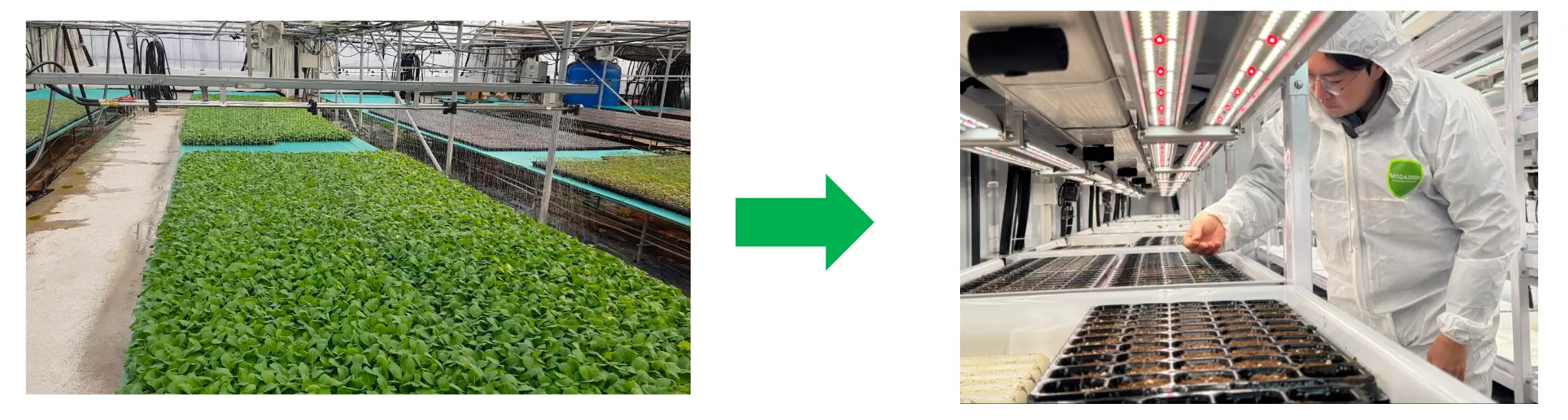
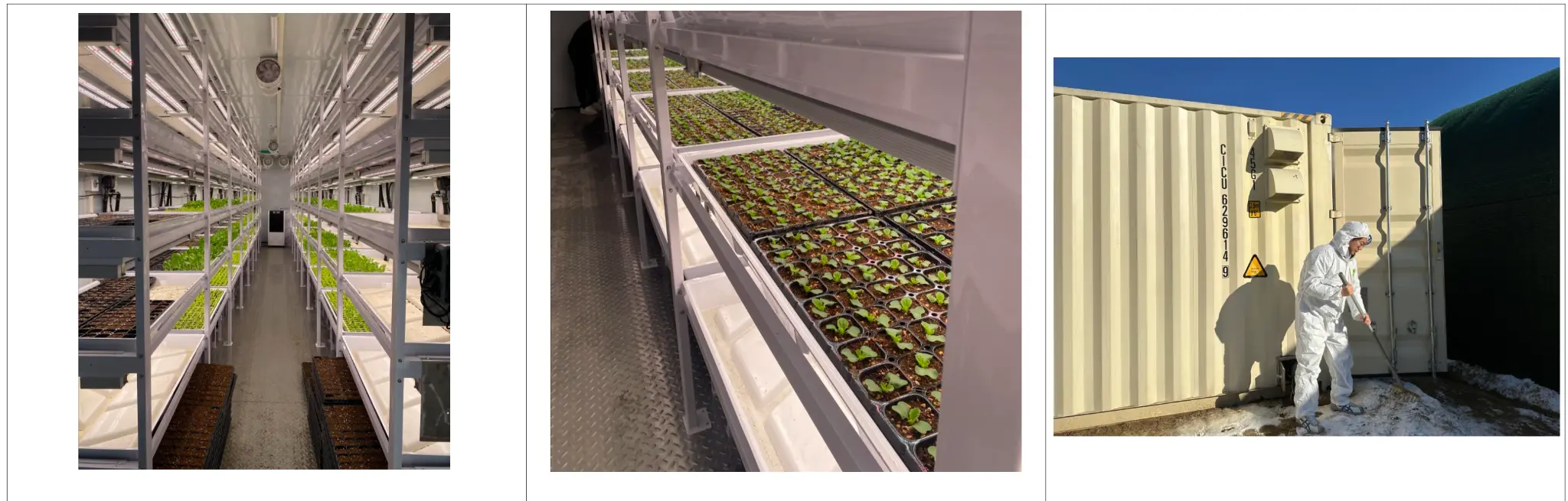
Infarmight’s core innovation lies in its sophisticated integration of vertical farming, hydroponics, and cutting-edge Artificial Intelligence (AI) and Internet of Things (IoT) technologies. Their modular, stacked farming units can be deployed anywhere—from urban warehouses to shipping containers—transforming underutilized spaces into high-yield agricultural hubs.
The technology is built on three pillars:
- Precision Hydroponics/Aeroponics: Plants are grown without soil, using mineral nutrient solutions dissolved in water. This method allows for the precise delivery of nutrients directly to the roots, optimizing growth and eliminating the need for harmful pesticides.
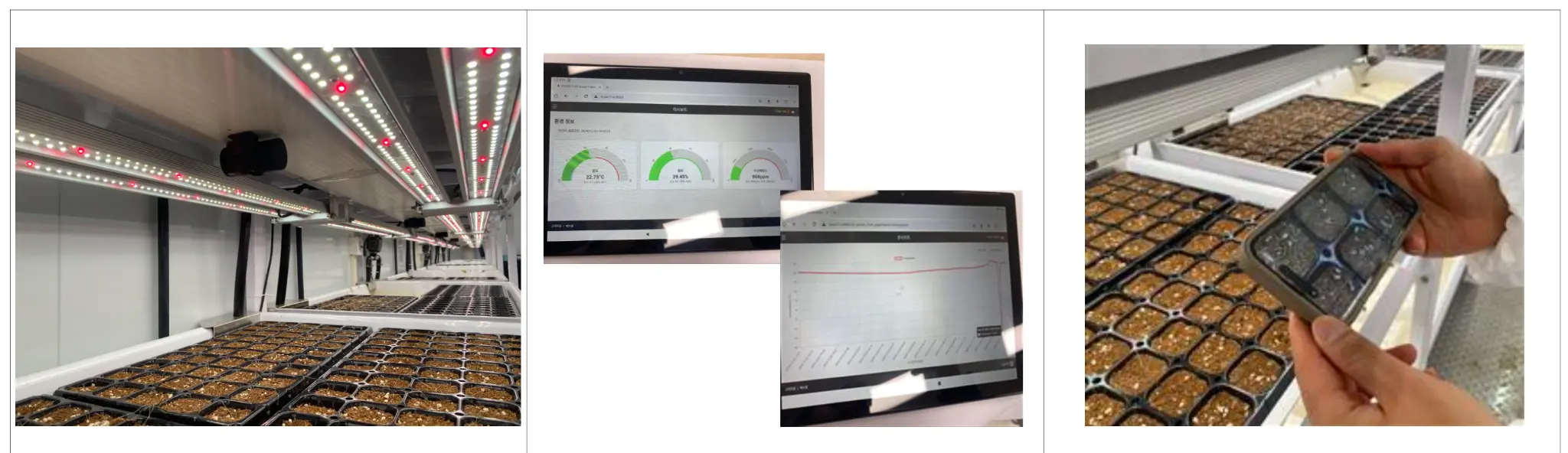
- Controlled Environment Agriculture (CEA): Every environmental variable—temperature, humidity, CO2 levels, and light spectrum—is meticulously controlled. This creates the perfect micro-climate for each crop, ensuring year-round production regardless of external weather conditions.
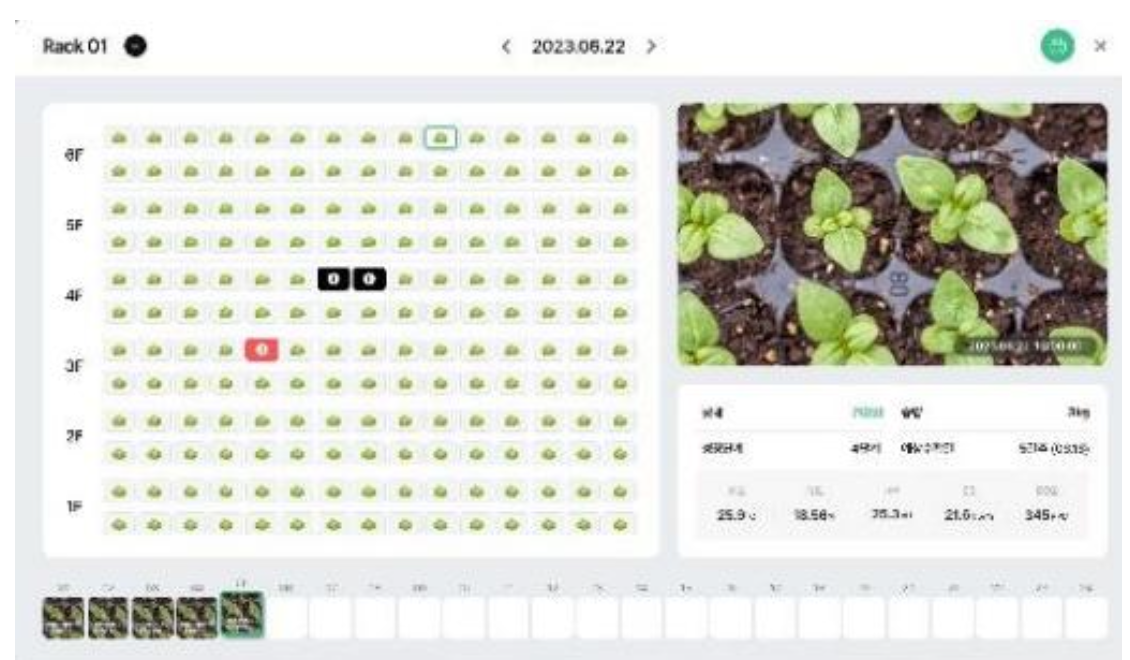
- AI-Driven Optimization: Infarmight’s proprietary AI platform, “AgriMind,” constantly monitors thousands of data points per plant. It learns the optimal “recipe” for maximum yield, flavor, and nutritional value, automatically adjusting nutrient flow, light intensity, and climate controls in real-time. This level of precision is impossible in conventional farming.
This technological synergy results in unparalleled resource efficiency, which is the key to its global impact.
Global Impact 1: Climate Resilience and Radical Sustainability
The most immediate and profound global impact of Infarmight is its contribution to climate resilience and sustainability. Traditional agriculture accounts for a significant portion of global greenhouse gas emissions and is the largest consumer of freshwater resources. Infarmight’s model flips this script.
Water Conservation: A Critical Metric
By operating in a closed-loop system, Infarmight dramatically reduces water consumption. The water that transpires from the plants is captured, filtered, and recycled back into the system. This is a game-changer in water-stressed regions, which are increasingly common due to climate change.
| Farming Method | Water Usage (Liters per kg of Lettuce) | Land Usage (m² per kg of Lettuce) | Pesticide Use |
|---|---|---|---|
| Conventional Field Farming | 250 – 350 | 1.0 – 1.5 | High |
| Infarmight Vertical Farm | 5 – 10 | 0.02 – 0.05 | None |
| Reduction | >95% | >98% | 100% |
Table 1: Comparative Resource Efficiency of Infarmight vs. Conventional Farming
Decoupling from Climate Risk
Infarmight’s indoor farms are entirely shielded from extreme weather events—droughts, hailstorms, or heatwaves—that can wipe out entire harvests in traditional farming. This stability is crucial for national food security planning, providing a reliable, predictable supply chain that is essential in a changing world.
Global Impact 2: Urbanization and the Eradication of Food Deserts
The global trend of rapid urbanization means that by 2050, nearly 70% of the world’s population will live in cities. This creates massive logistical challenges for food distribution, leading to long supply chains, high transportation costs, and a significant loss of nutritional value during transit.
Infarmight’s modular farms are designed to be placed directly within the urban fabric—in basements, on rooftops, or inside retail centers. This hyper-local production model has several profound benefits:
- Zero Food Miles: Produce is grown and harvested mere feet from the point of consumption. This eliminates the need for long-haul trucking, drastically cutting down on CO2 emissions from transportation and reducing food spoilage.
- Nutritional Superiority: By harvesting at the peak of ripeness and delivering immediately, the nutritional content of the produce is maximized. The “farm-to-fork” time is reduced from weeks to hours.
- Addressing Food Deserts: In low-income urban areas often classified as “food deserts,” Infarmight can establish small, decentralized farms that provide fresh, affordable, and culturally relevant produce where it is most needed, promoting public health and equity.
Global Impact 3: Economic and Social Transformation
The shift to smart farming is not just an environmental or logistical change; it is an economic and social transformation that redefines the agricultural workforce and supply chain.
Creating the New Agricultural Workforce
Infarmight farms require a new kind of worker: the Agri-Technologist. These are high-skilled, well-paid jobs focused on data science, plant biology, engineering, and robotics. This transition offers a path for economic mobility, moving away from physically demanding, weather-dependent labor to high-tech, climate-controlled careers. This is particularly relevant for developed nations facing labor shortages and for developing nations looking to leapfrog traditional industrialization.
Supply Chain Resilience and Decentralization
The centralized nature of conventional agriculture makes the global food supply chain vulnerable to geopolitical instability, trade wars, and natural disasters. Infarmight promotes a decentralized, distributed network of food production. If one farm is temporarily offline, the local community can rely on dozens of others. This redundancy is a powerful tool for national and regional food sovereignty.
Furthermore, the predictable, year-round yield allows businesses—from restaurants to large-scale food processors—to plan with unprecedented accuracy, reducing waste and improving operational efficiency.
Case Studies and Real-World Applications
While Infarmight is a conceptual company for this discussion, its model is based on proven principles of CEA. Imagine the impact of Infarmight’s deployment in two contrasting global scenarios:
Scenario A: The Arid Middle East
In a desert nation with minimal freshwater resources and extreme heat, traditional farming is nearly impossible. An Infarmight facility, powered by solar energy, can produce tons of fresh herbs and vegetables using less than 5% of the water required by open-field farming. This provides a stable, local source of nutrition, reducing reliance on expensive, carbon-intensive imports.
Scenario B: The Densely Populated East Asian Megacity
In a city like Seoul or Tokyo, where land is prohibitively expensive, Infarmight installs modular units inside existing commercial buildings. These units supply fresh, premium-quality produce to local grocery stores and restaurants within a 5-kilometer radius. The economic benefit is two-fold: consumers get fresher food, and the city reduces its logistical burden and carbon footprint.
The Future of Food: Infarmight’s Vision for a Decentralized System
Infarmight’s vision extends beyond simply growing leafy greens. The future of food involves integrating smart farming with other technological advancements to create a truly regenerative and personalized food system.
R&D and Crop Diversification
The next frontier for Infarmight involves expanding the range of crops grown indoors—moving from leafy greens and herbs to staple crops like strawberries, tomatoes, and even certain grains. This requires continuous research into optimizing light spectrums and nutrient recipes for more complex plants.
Personalized Nutrition and Health
The precision of the AgriMind AI allows for the customization of nutrient profiles. Imagine a doctor prescribing a specific basil variety with an elevated level of a certain antioxidant. Infarmight can adjust the growing conditions to “bio-engineer” the plant to meet that exact nutritional specification, moving agriculture into the realm of personalized medicine.
Policy and Infrastructure
For Infarmight’s global impact to be fully realized, it requires supportive policy frameworks. Governments must recognize smart farms as critical infrastructure, offering incentives for renewable energy integration and urban deployment. The long-term goal is a global network of decentralized farms that can communicate and share “crop recipes” and best practices, creating a truly collaborative and resilient food web.
Conclusion: Cultivating a Secure Future
Infarmight represents a fundamental shift in how we approach food production. It is a necessary response to the converging crises of climate change, resource scarcity, and rapid urbanization. By prioritizing technology, efficiency, and decentralization, Infarmight is cultivating not just crops, but a more secure, sustainable, and equitable future for all.
The global impact of this smart farming revolution is clear: it offers climate resilience, dramatically conserves water, reduces the carbon footprint of the food supply, and ensures that fresh, nutritious food is accessible to every community, regardless of its location. Infarmight is a powerful testament to human ingenuity, proving that with the right technology, we can overcome the greatest challenges to global food security in a changing world. The time for this agricultural revolution is now.
